
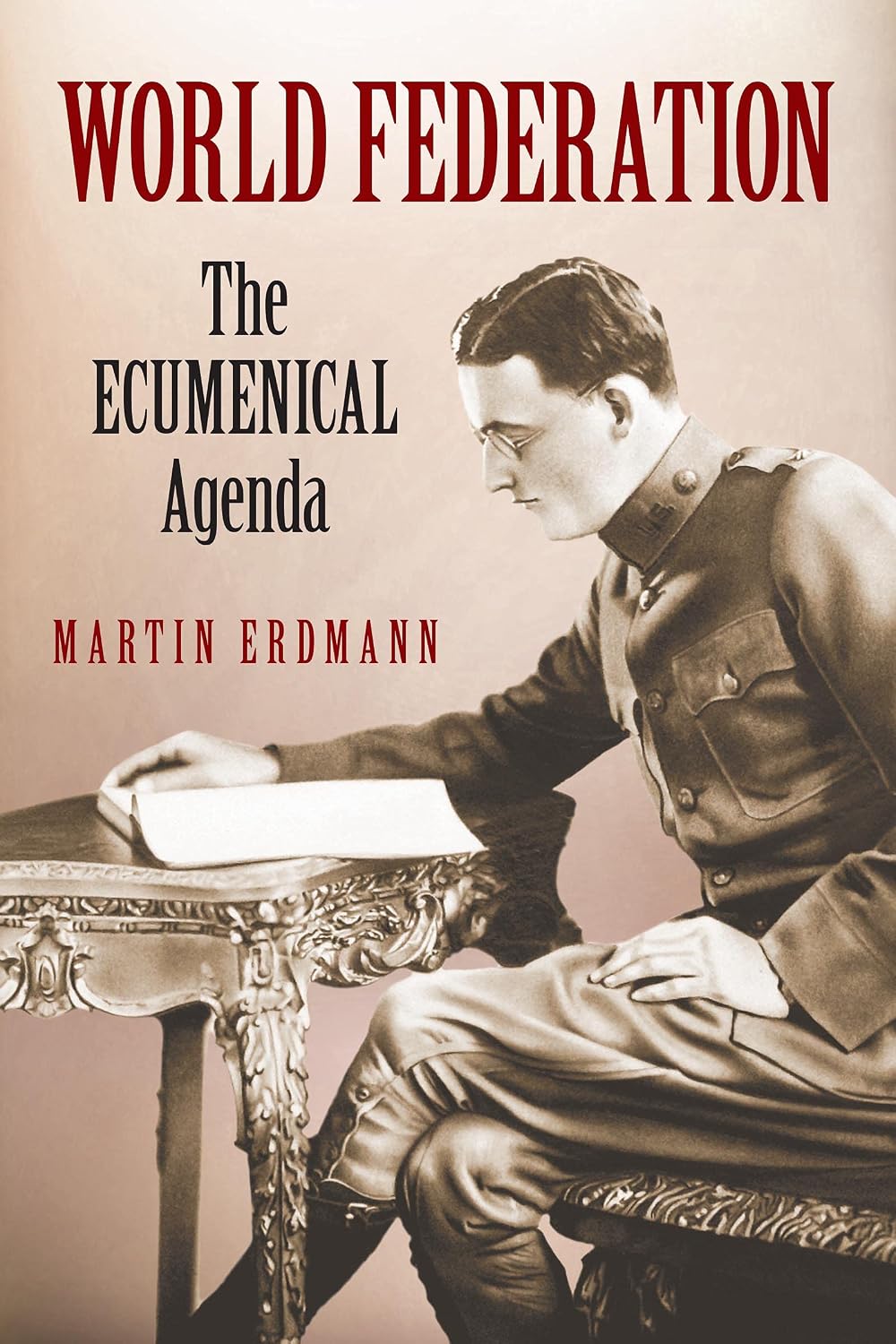
The Ecumenical Agenda
The 20th century saw the rise of the ecumenical movement. The movement aimed to unite various churches globally through human management skills. It was an ecclesiastical counterpart to the League of Nations and, later, the United Nations. As this book demonstrates, ecclesiastical pressure later played a role in the formation of the United Nations. Dr. Martin Erdmann traces the history from 1919 to 1945, demonstrating how influential figures in Great Britain and the United States tried to recruit churches to support a secular, technocratic program aimed at establishing a new world order and, ultimately, a world government. The hope was for peace and justice worldwide. These plans were based on minimalist theology and vague Christian ethics. In an age that rejected the supernatural, there arose a paradoxical confidence that the Kingdom of God was at hand.
Review